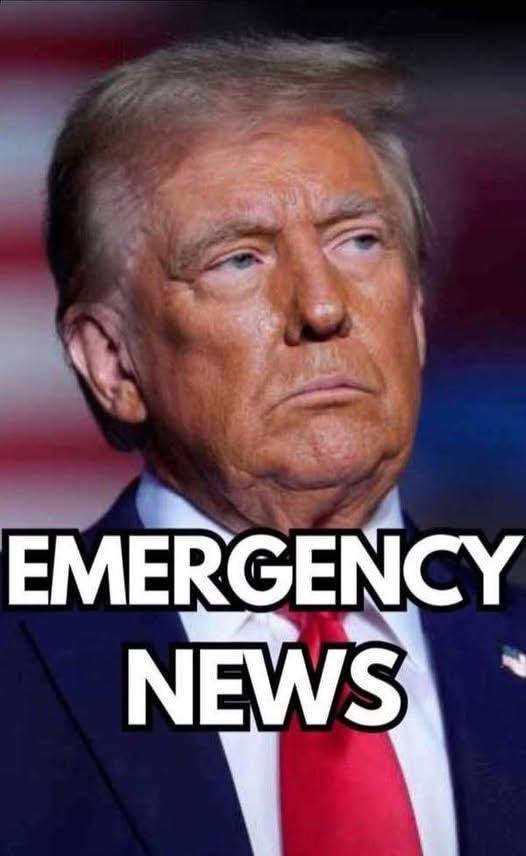
President Donald Trump’s recent executive order targeting anti-Semitism has sparked concern over its impact on free speech and human rights, particularly for international students. The order allows for the deportation of non-citizen students who take part in protests deemed anti-Israel, raising fears that immigration law is being used to suppress political dissent.
Critics argue the policy conflates pro-Palestinian activism with anti-Semitism, threatening peaceful protest, academic freedom, and open debate on U.S. campuses. By placing students’ visas at risk, the order is seen as creating a climate of fear that discourages lawful expression.
Human rights advocates warn that this approach undermines democratic values and damages America’s reputation as a defender of free speech. They argue that combating anti-Semitism should not come at the cost of silencing dissent, and that protecting the right to protest is essential to a free and inclusive society.
